


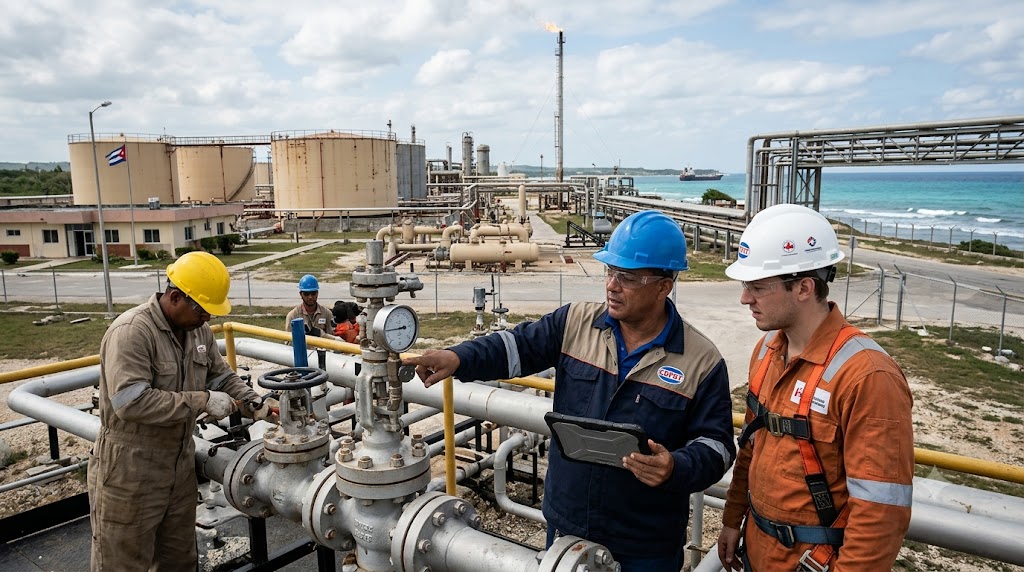
Cuba has introduced sweeping changes to its oil and gas investment rules, creating new opportunities for private businesses and foreign energy companies as the country seeks to address persistent fuel shortages and attract international capital.
The new framework, introduced through Decree-Law 135/2026 and Decree 184/2026, took effect on October 19, replacing petroleum legislation dating back to 1938 and 1959. It updates the rules governing oil exploration, production, refining, transportation, storage and fuel sales.
One of the most significant changes is the introduction of longer investment arrangements. Production-sharing contracts may run for up to 40 years, with possible extensions of 10 years, while oil concessions may last up to 30 years and be renewed for another decade.
The legislation also allows specialised companies to provide oilfield services, potentially creating opportunities for engineering firms, equipment suppliers, logistics operators and technical contractors. However, the government will retain ownership of Cuba’s oil and gas deposits and can reject permits on national-security grounds.
The changes come as Cuba faces serious energy challenges, including fuel shortages, prolonged power cuts and heavy dependence on imported petroleum. Authorities say the new framework is intended to encourage investment, increase domestic production and strengthen energy security.
However, the legal changes do not guarantee an immediate wave of investment. Energy companies must still assess geological prospects, financing risks, infrastructure limitations, environmental requirements and the impact of US sanctions before committing significant capital.
For businesses considering opportunities in Cuba, the new law represents a shift in the rules governing participation in the petroleum sector. Whether it delivers additional production and investment will depend on the projects that move from negotiation to operation.


Comments (0)
Sign in to join the conversation.